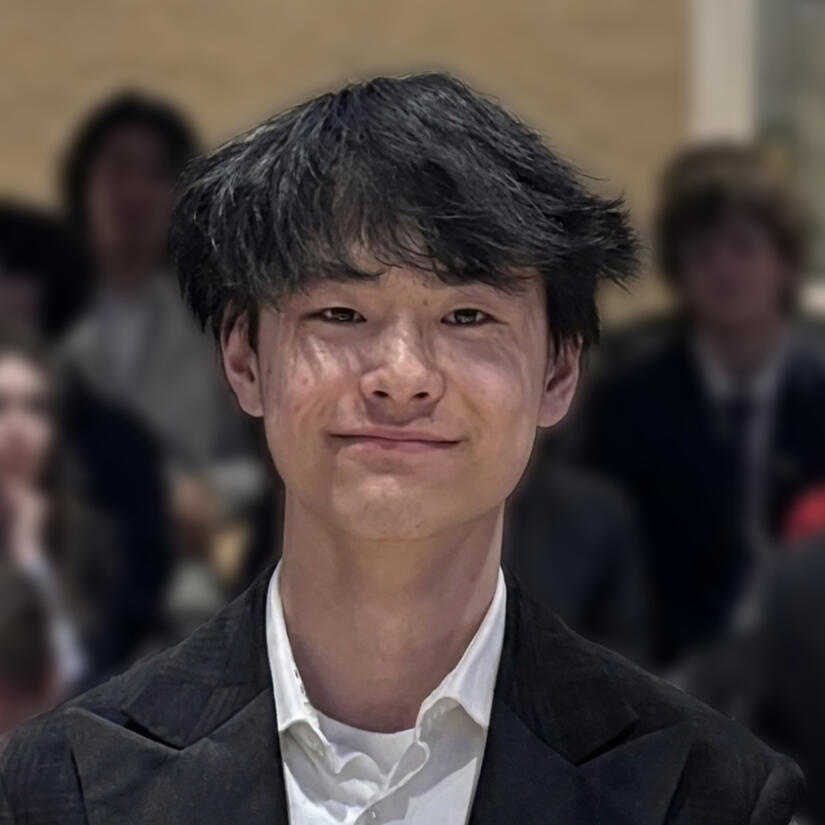
Hi, I'm Ryan Ly
I’m a 1B Mechanical Engineering student at the University of Waterloo with a passion for design, but above all—a constant desire to learn, grow, and turn my ideas into real, working solutions. Check out some of the things I've designed and built below!
SpikeLift Arena
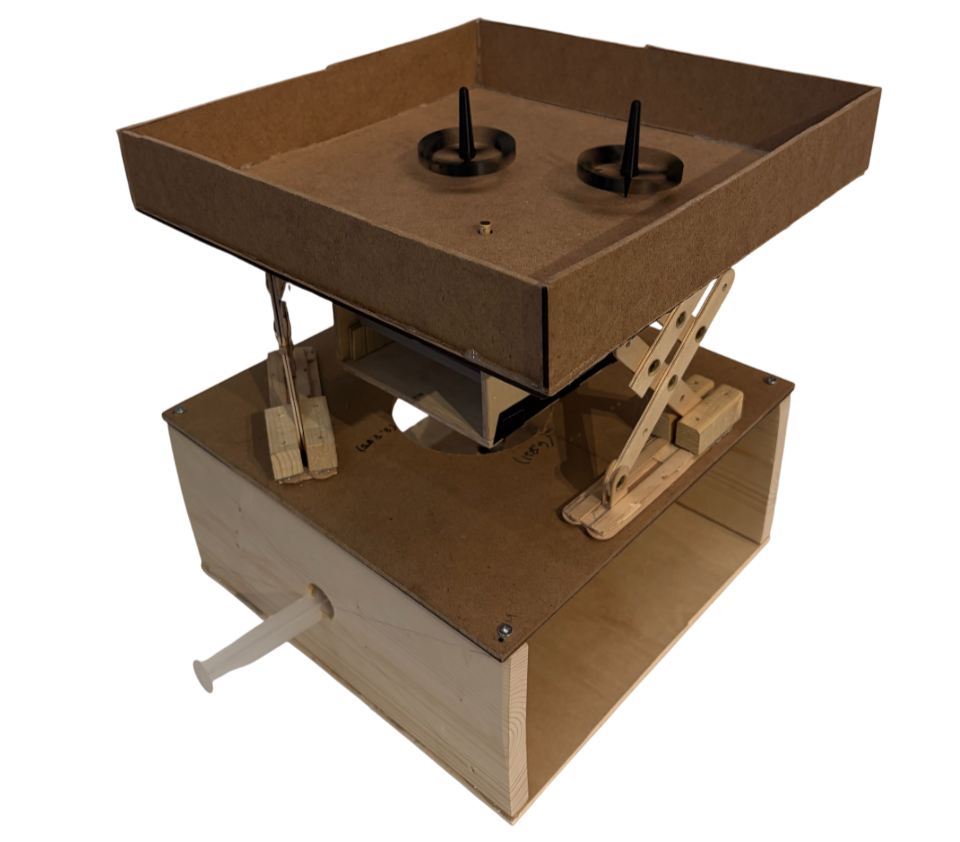
A mechanically actuated tabletop arena that introduces controlled tilt and spike deployment to dynamically alter gameplay conditions. The project focuses on compact mechanical design, structural support, and physical prototyping.
Tina's Safehaven
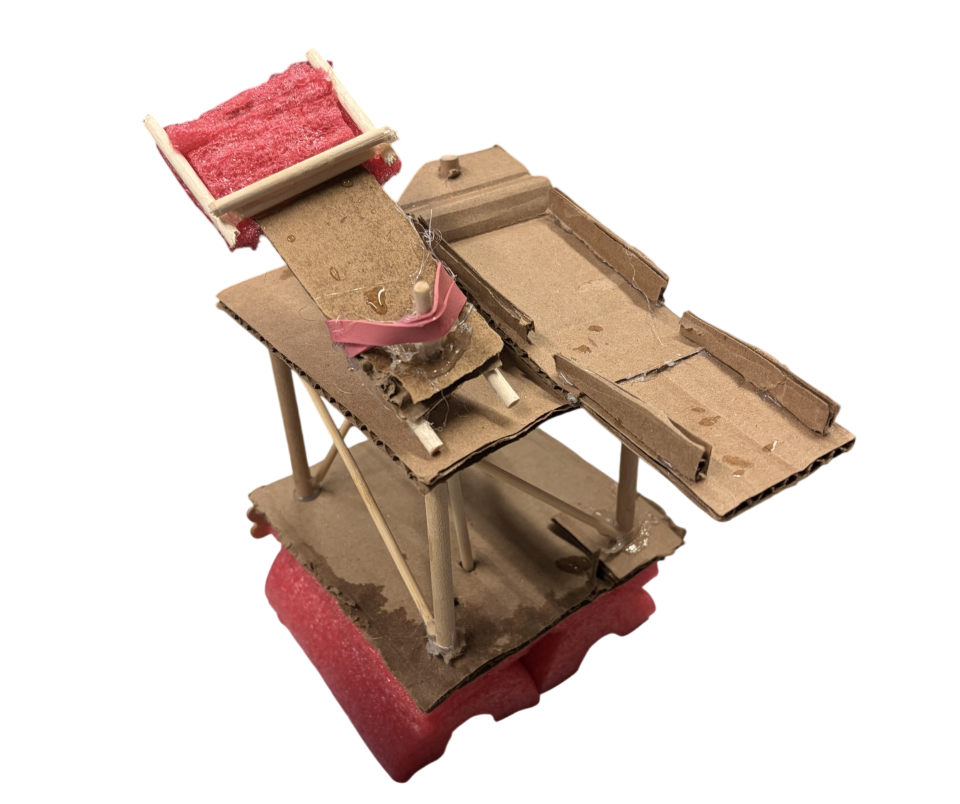
An autonomous flood-relief rescue craft constructed as part of the Waterloo Engineering Competition (WEC). Designed under strict size, cost, and autonomy constraints, the vehicle prioritizes flotation stability, mechanical navigation, and controlled payload delivery in a simulated flood environment.
UofT Hi-Skule Engineering Design Competition
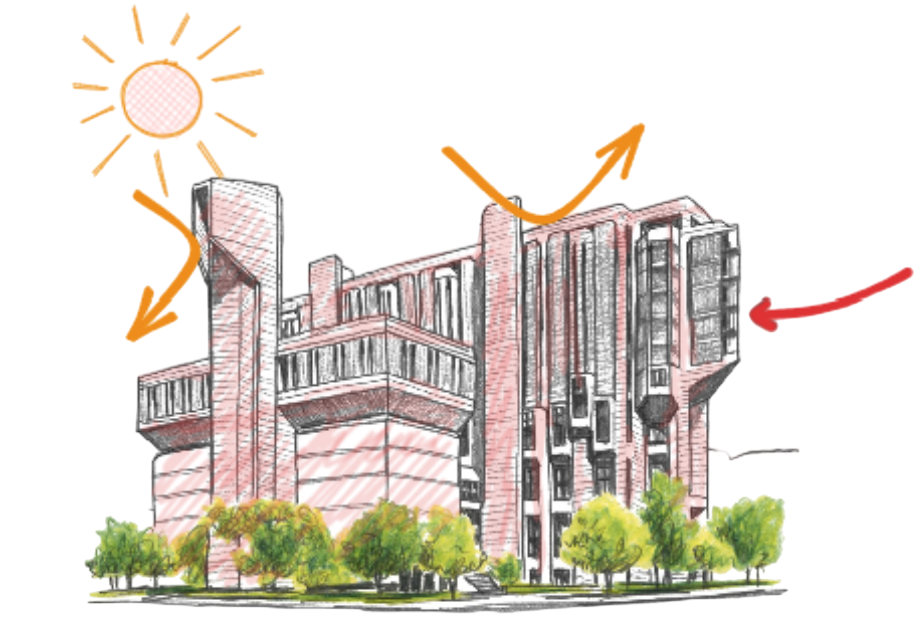
A complete problem analysis and proposed solution on the mitigation of the Urban Heat Island (UHI) effect affecting Robarts Library. My team's solution was awarded 2nd place out of over 50+ teams by UofT engineering faculty judges.
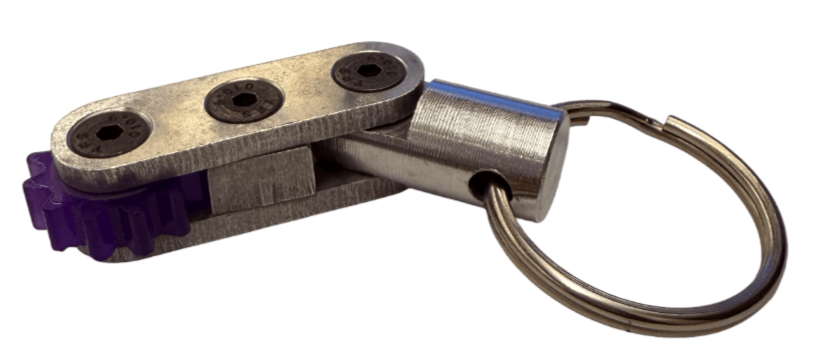
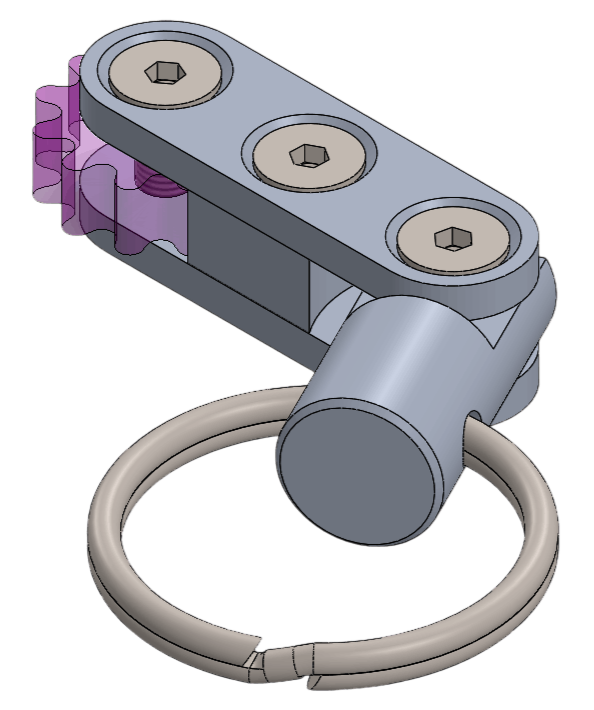
Keychain – Machining, SolidWorks Assembly & Drawings
A keychain machined and assembled from aluminum components using manual shop equipment. Developed complete SolidWorks CAD part models, a complete SolidWorks assembly, and detailed engineering drawings, outlining the design of the keychain.
Contact
Feel free to reach out to me through email at [email protected]! I'd be happy to chat about anything project-related. Whether you want to chat about one of my projects or might want to work on something with me, I'd be happy to talk!
SpikeLift Arena
SpikeLift Arena is an interactive take on the classic game of Beyblades through a user-controlled arena tilt and retractable spikes that can interfere with the opponent's Beyblade.I led the spike-mechanism subteam for the project, where my main tasks consisted of implementing a system to retract and extend the spikes, and managing task subdivision between project members.Through this project, I gained a lot of experience with using typical machining tools (Bandsaw, Drill Press, Belt Sander, Scroll Saw, and more). I also applied CAD skills (SolidWorks) to 3D print a simple, yet extremely functional, custom part for the arena, which aided in securing and supporting the spikes.This project, although quite simple in nature, taught me many things: the process of designing with physical constraints in mind, the validation of constraints and criteria in a design iteration, and the management and subdivision of roles within a team.
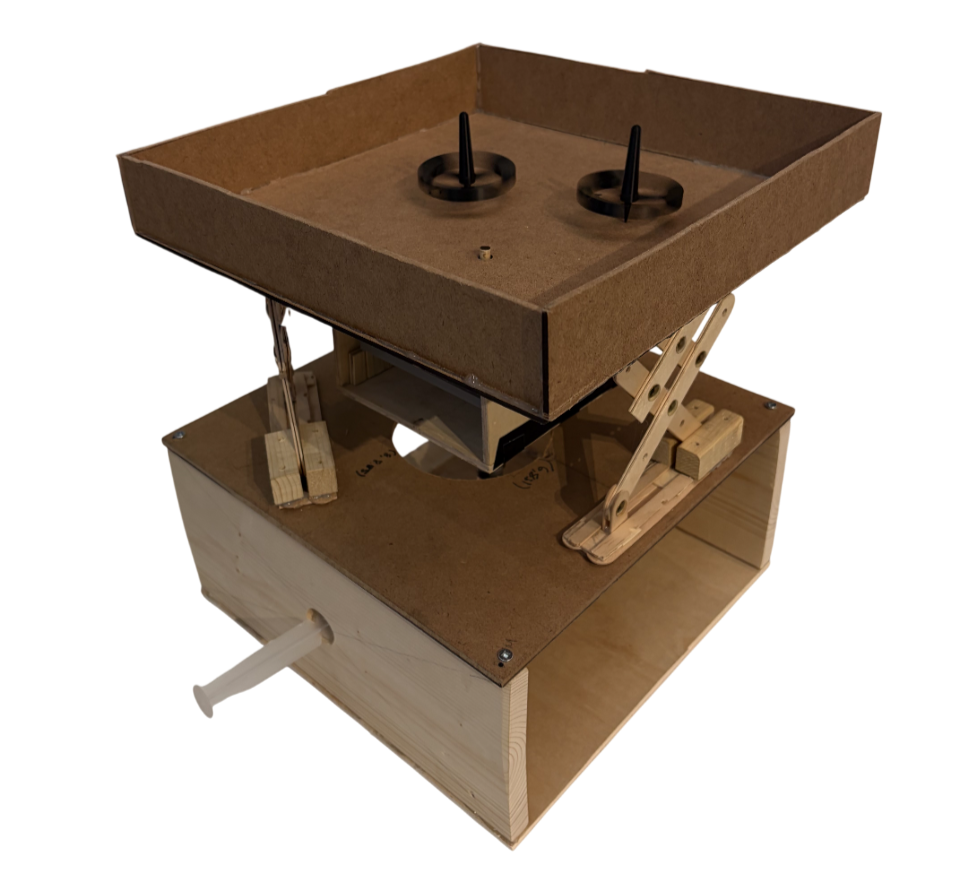
Arena built using plywood, HDF, PETG, incorporating scissor lifts to tilt the arena and syringes as spike actuators
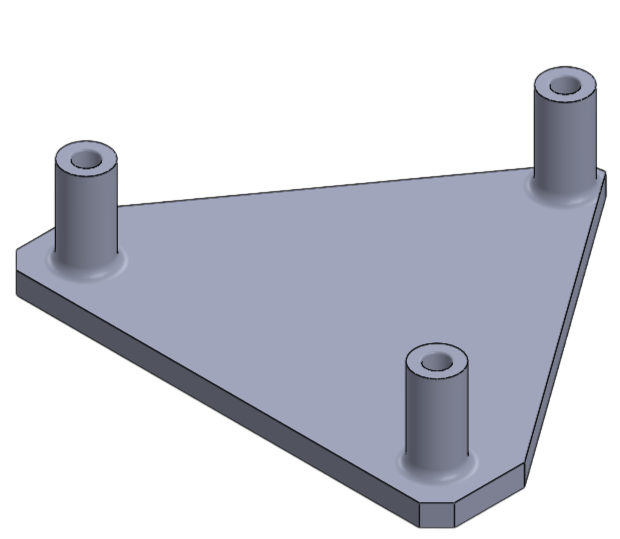
Simple CAD model designed to support spikes at an extremely light weight
Tina's Safehaven
As part of the Waterloo Engineering Competition (WEC) in 2025, my team and I built Tina's Safehaven: an autonomous flood-relief rescue craft modeled using simple materials.The WEC 2025, held by the University of Waterloo, consisted of a problem statement tasking competitors to "design a mechanical rescue vehicle able to navigate floodwaters while transporting necessary aid." Design constraints were imposed, limiting material cost, size, and autonomy, and a physical prototype which could deliver two payloads had to be constructed.My main task during the 6.5-hour design sprint was laying the foundation for our engineering design process, carefully researching the problem statement and establishing the functions, objectives, and constraints of the design. I also worked heavily on the ideation and implementation of a ramp mechanism to deliver bundles to communities.The toughest challenge that our group faced was the 6.5-hour time limit of the project. Problem research and construction, testing and validation of the prototype all had to be done under the narrow time limit, while documenting the process thoroughly. Although it was challenging, the time constraint pushed me to work as efficiently and effectively as possible, often making compromises such as scrapping ideas that would take too long to test in favour of those which could give verifiable results.This design sprint was a valuable experience where I learned and developed many transferrable skills: designing for physical assembly, designing under strict time and cost constraints, ideating and validating solutions, implementing the engineering design process, and working through challenges under pressure. The full presentation slideshow for our design has been linked below.
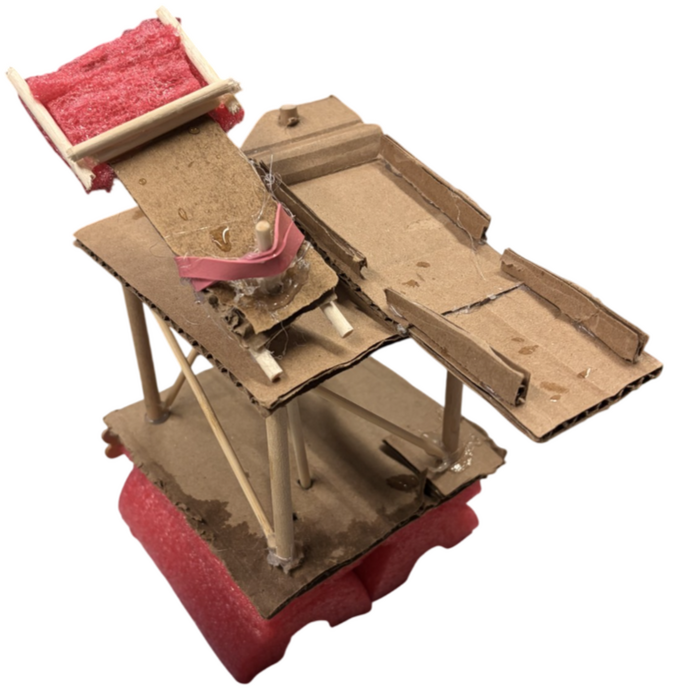
Physical flood-relief model named "Tina's Safehaven," constructed under a materials budget restriction, made using dowels, pool noodles, cardboard, and elastics
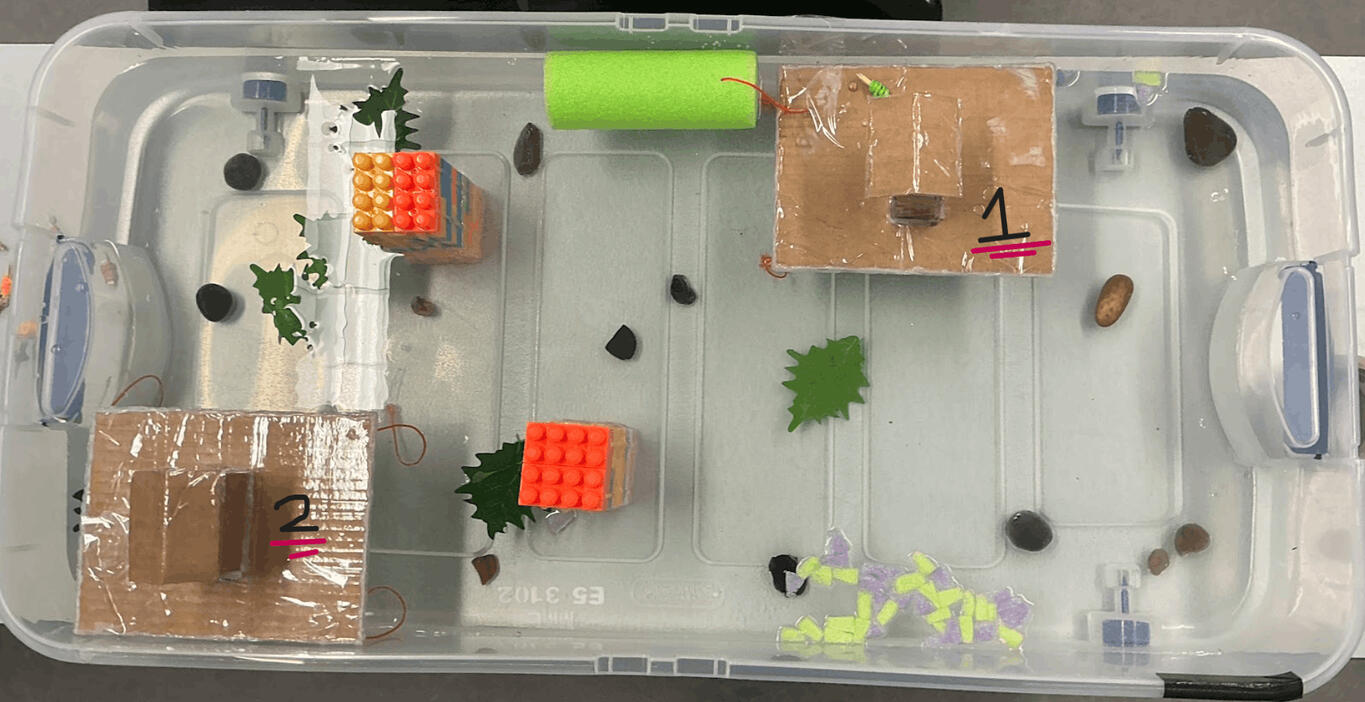
Simulated flood environment that the craft had to navigate: payloads (rubber band and toothpick bundles) had to be delivered to communities 1 and 2 labelled above
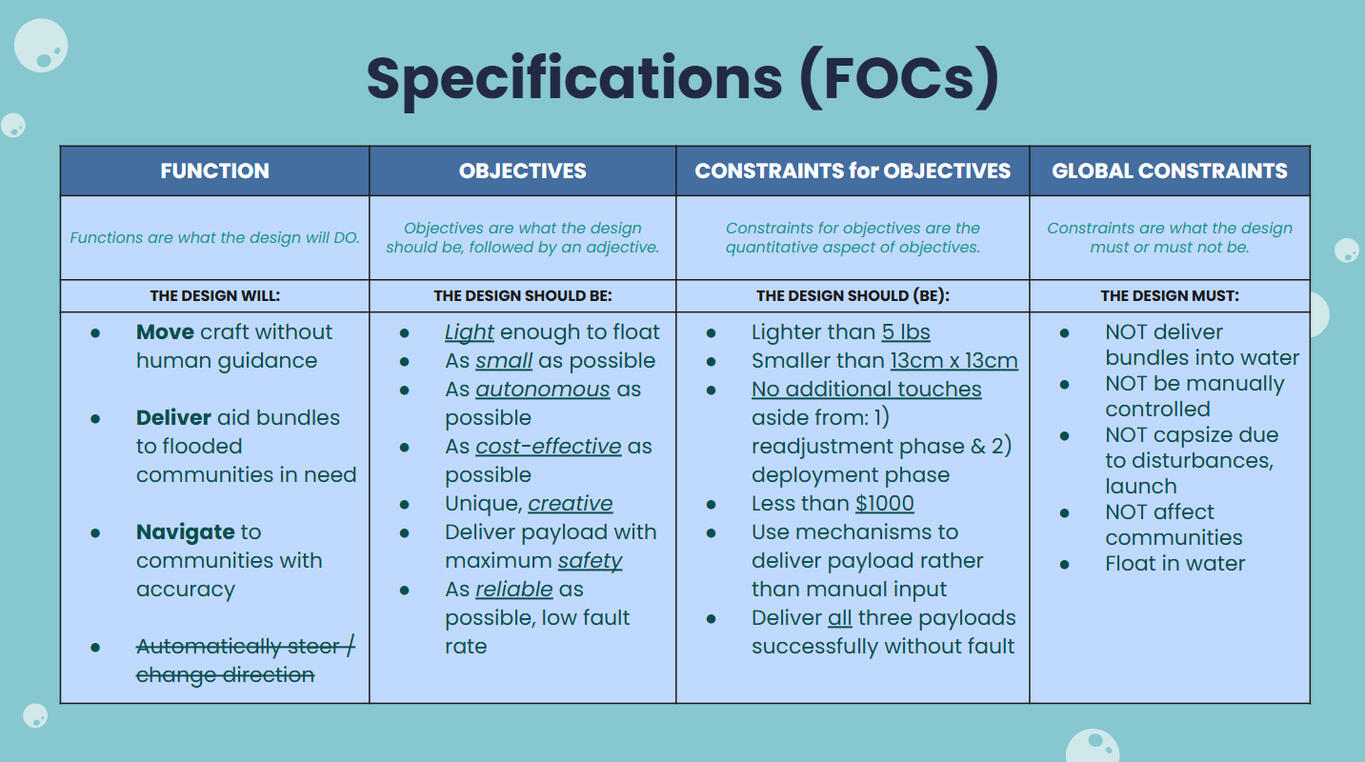
Design specification table that I created, following a structured engineering design process. This aided with project direction and design validation.
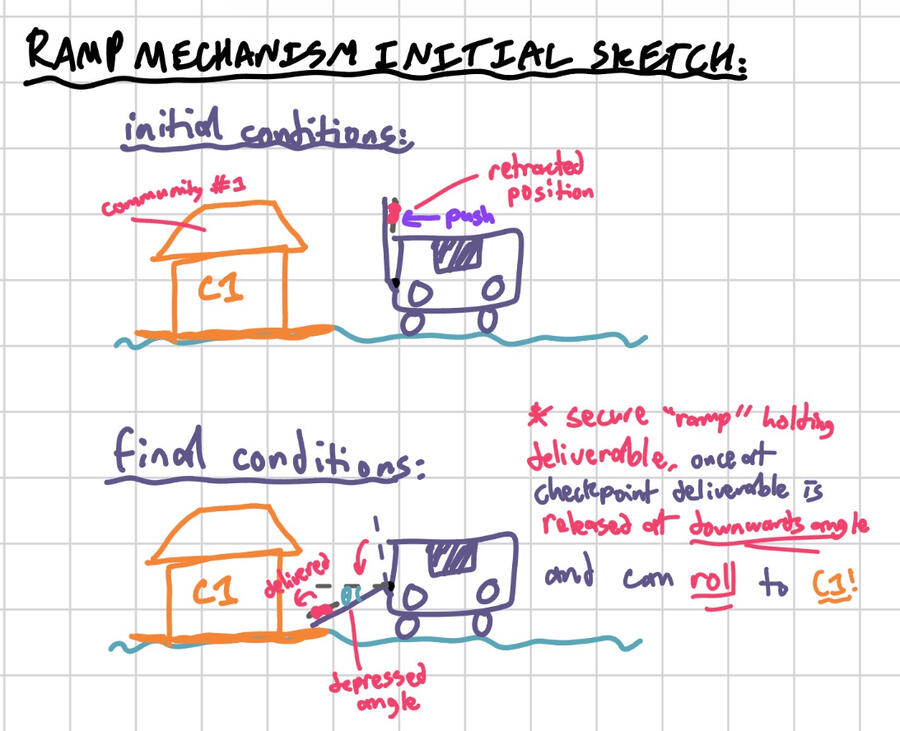
My initial sketch for the ramp mechanism, showing how bundles could be delivered with minimal human interference using the ramp mechanism.
UofT Hi-Skule Engineering Design Competition
My team and I placed 2nd out of 50+ teams at the 2025 UofT Hi-Skule Engineering Design Competition, an 8-hour engineering design sprint focused on mitigating the Urban Heat Island (UHI) effect affecting Robarts Library.Our proposed solution combined high-albedo PVC roofing, inspired by the Rogers Centre, with a transparent heat-reflective coating to reduce solar absorption while preserving the iconic brutalist architecture of the building. The design balanced thermal performance improvements with realistic deployment constraints for a dense urban campus environment.During the sprint, I led the comparative evaluation of solutions, assessing tradeoffs across cost, feasibility, deployment timeline, and operational disruption. This involved rapid estimation calculations, feasibility checks, and direct solution comparisons to converge on an optimal solution under severe time constraints.This project demonstrates my ability to make sound engineering decisions under pressure, translate abstract constraints into concrete design choices, and communicate technical reasoning clearly and persuasively to UofT faculty judges. The analysis slideshow has been linked below.
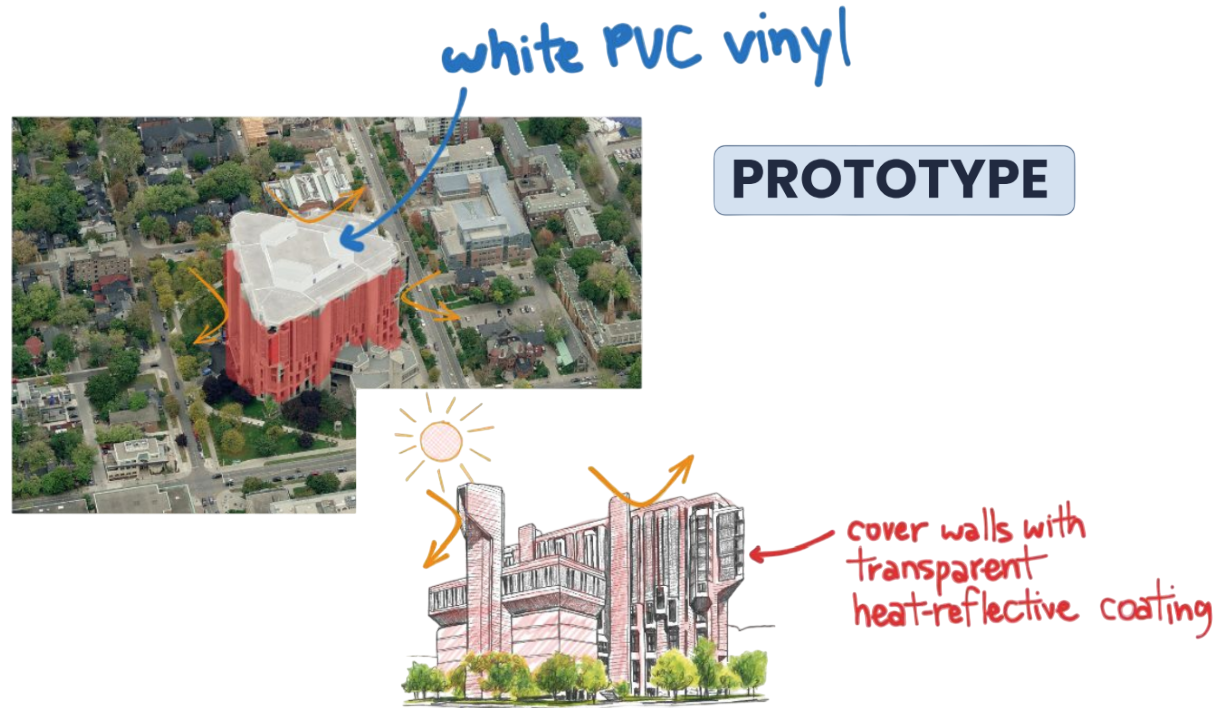
White PVC roof and transparent heat-reflective coating solution draft presented to judges
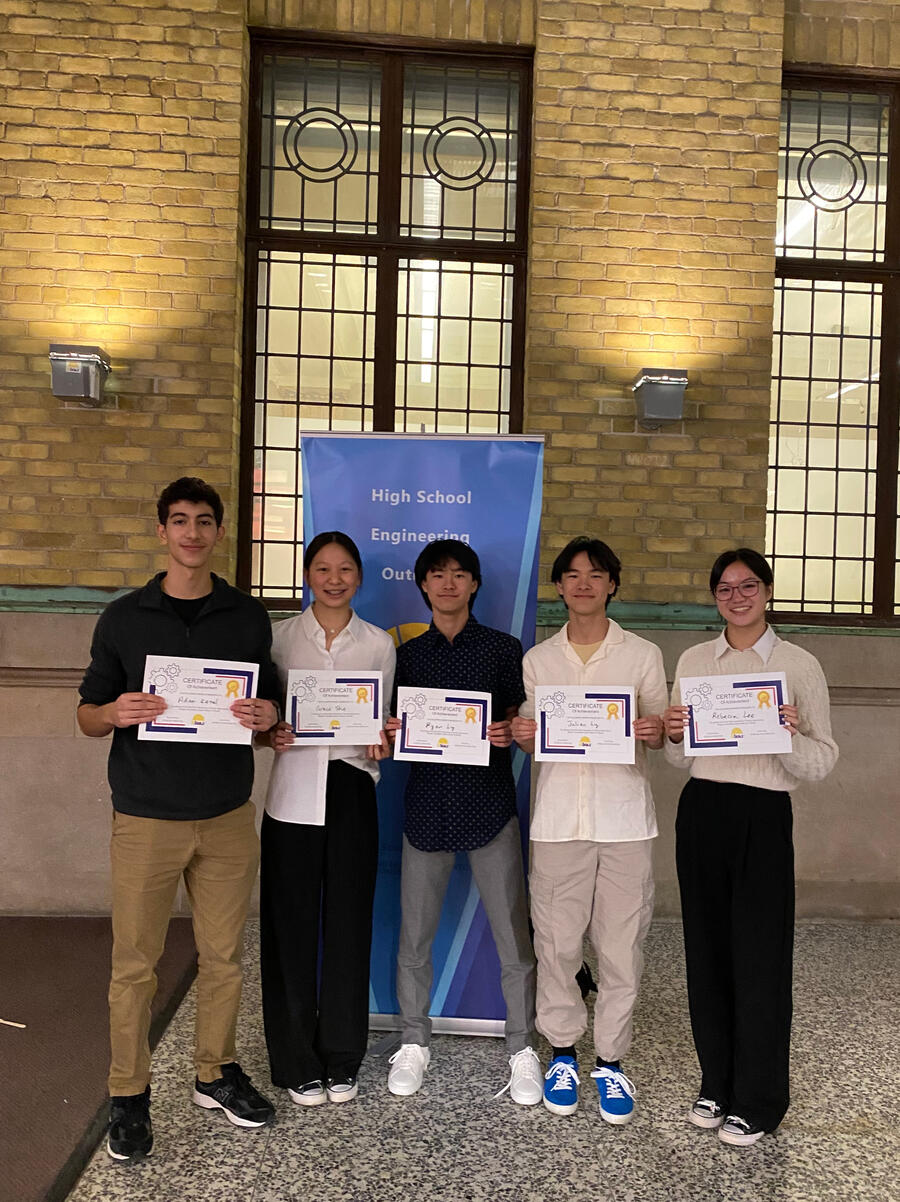
My team and I, receiving 2nd place certificates for our technical reasoning and presentation of our proposed solution.
Keychain – Machining, SolidWorks Assembly & Drawings
• Developed SolidWorks CAD part models and a complete mechanical assembly, accurately dimensioning geometry and defining assembly mates to reflect as-built component relationships.
• Created detailed engineering drawings applying GD&T controls and standard dimensioning practices, defining critical features, datums, and tolerances to clearly communicate manufacturing intent.
• Machined and fabricated aluminum components using manual shop equipment (lathe, milling machine, drill press), achieving required fits, hole alignment, and functional clearances.
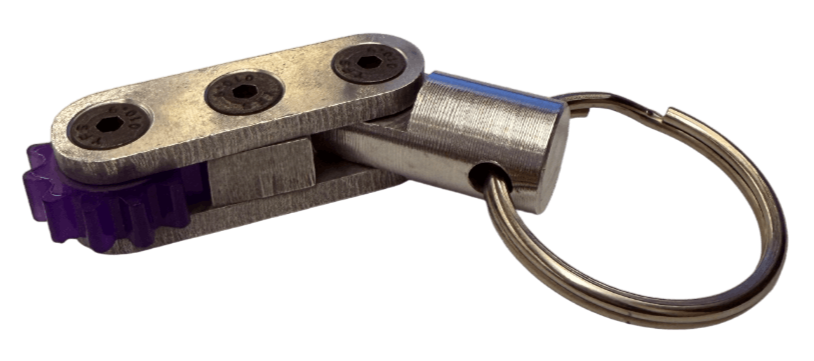
Keychain machined and assembled from aluminum parts
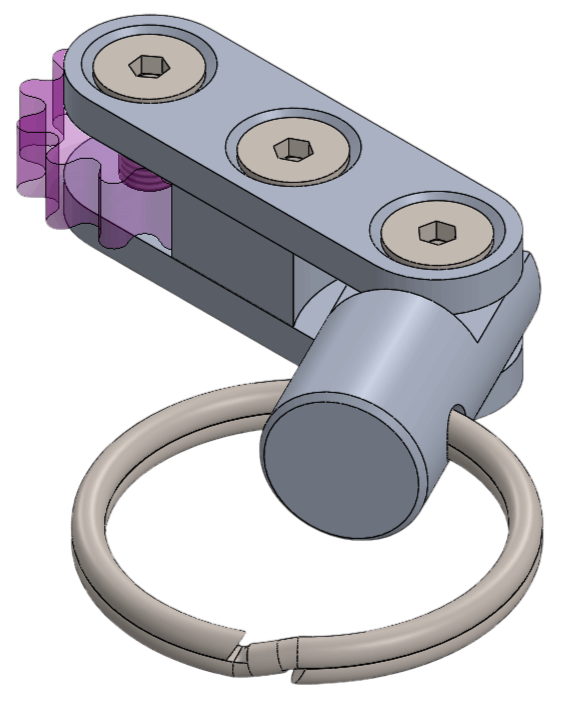
Keychain SolidWorks assembly including accurately dimensioned parts
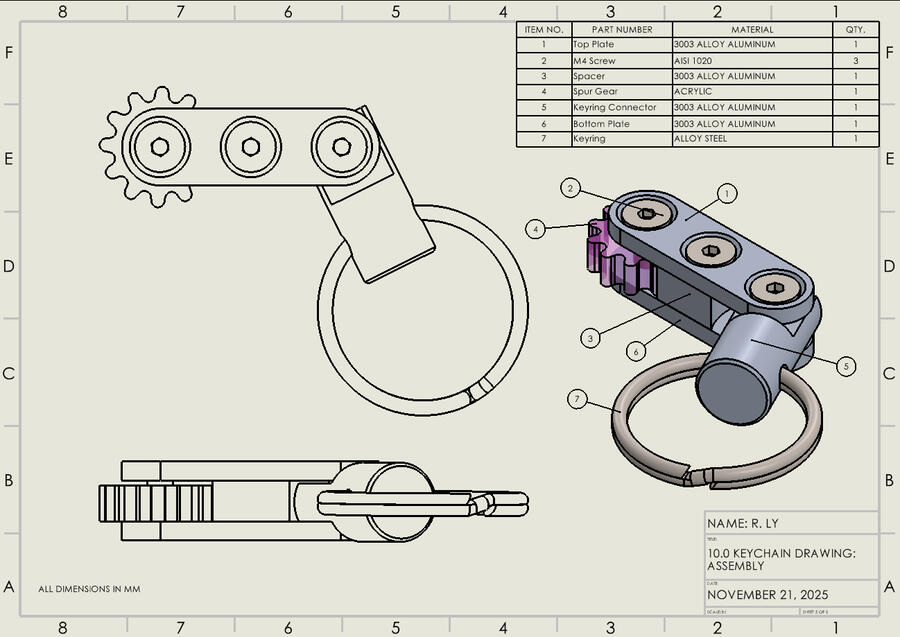
SolidWorks assembly drawing displaying the 3 basic orthographic views of the keychain
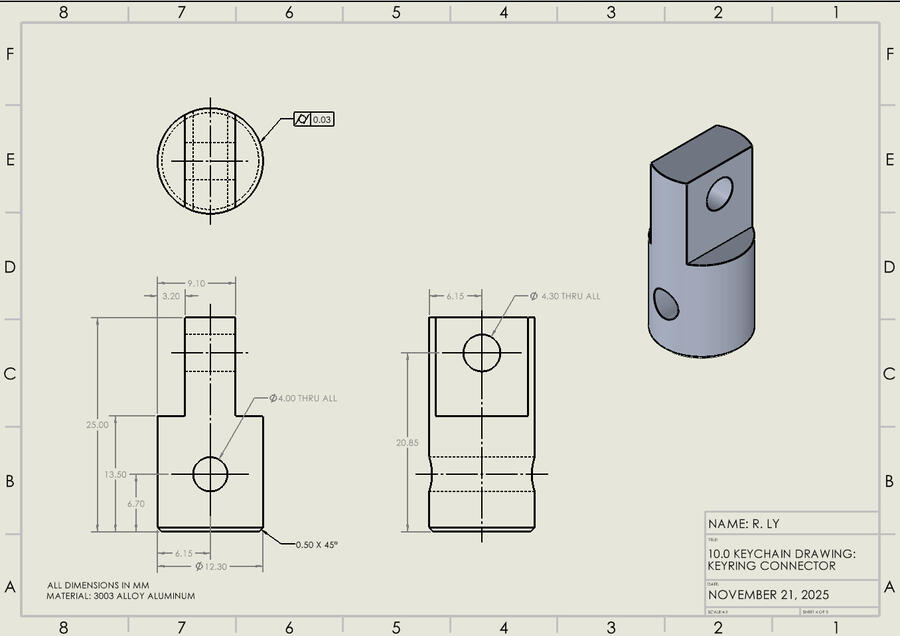
SolidWorks part drawing displaying keyring connector, use of GD&T controls